
The Mongolian team on Physical Asia has captured global attention, and many people are suddenly curious. How do Mongolians become so strong in a land known for its long winters and unforgiving climate? There is no secret training method hiding in the steppe. The answer lies in everyday life, in the way people live, eat, and adapt to a winter that shapes the body as much as it shapes the spirit.

Mongolian winter has a reputation that speaks for itself. When the cold settles in, it settles deeply. Days can feel sharp enough to carve the air, and yet people continue their work outdoors. This lifestyle demands steady energy, not from luxury ingredients but from traditional food that has carried families through generations. Vegetables have never been plentiful for most of the year, so strength comes from meat and dairy, the foods the land can always provide.
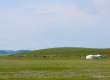
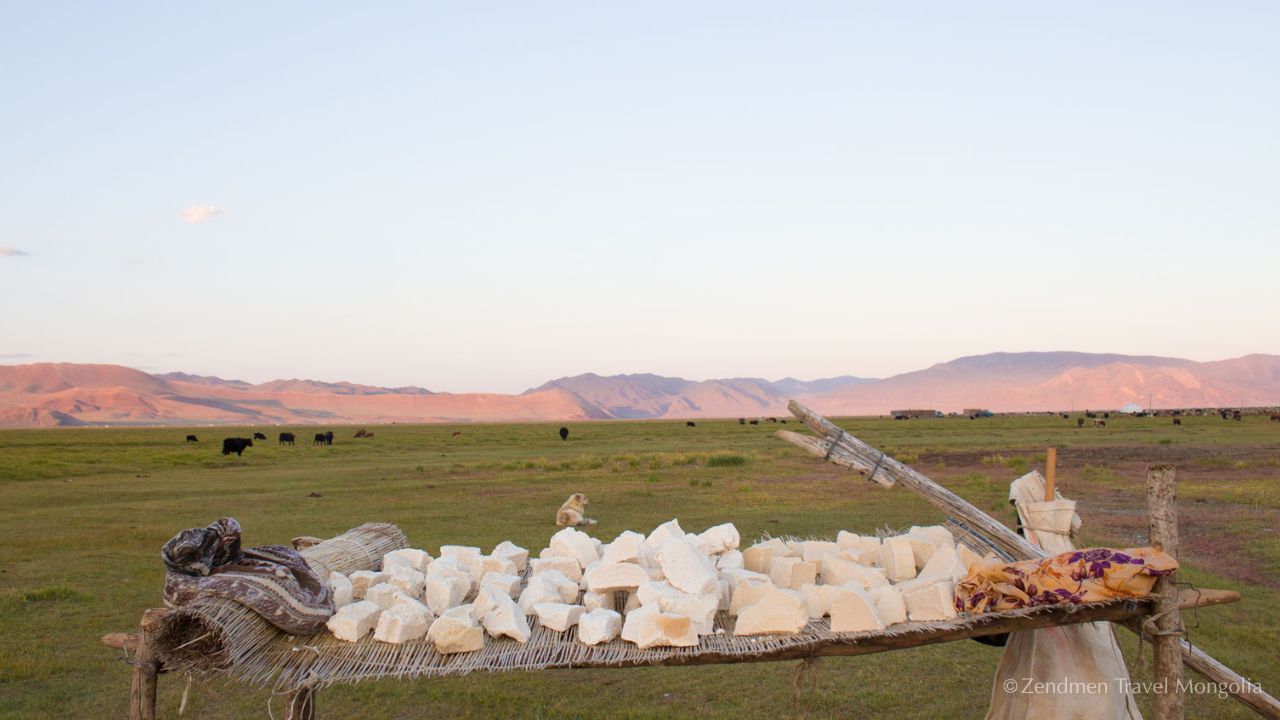
Pastoral animals graze on wide open grasslands rich with wild herbs and mineral filled plants. This gives the meat a natural depth of flavor that surprises many travelers. It is clean, nutritious and full of the kind of energy needed to work in freezing temperatures. The milk from these animals is just as powerful. Yogurt, airag, cheese, suutei tsai and many other dairy foods are packed with vitamins and proteins that help the body stay strong when the cold is relentless. People may eat simply, but they eat well. Traditional food carries both macro and micro nutrients that modern nutritionists admire.
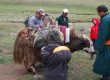
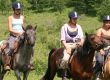
Strength in Mongolia is not built only at a table. It comes from movement. Herding, riding, setting up winter shelters, tending animals in snowstorms and traveling long distances across open land create a natural fitness routine that never needs to be scheduled. Physical effort is part of daily life. Over time it creates a quiet but unmistakable resilience.
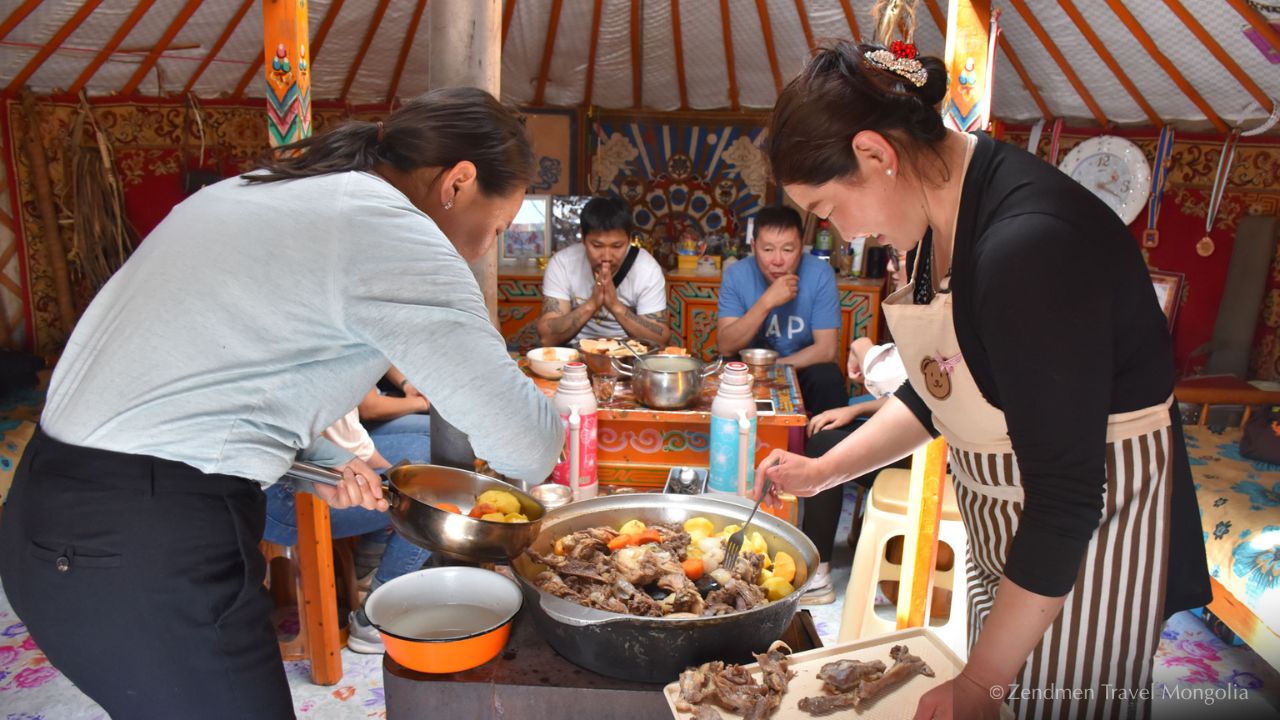
Visitors often notice this immediately. There is a grounded calm in the way people handle difficult weather, and a kind of warmth in how they welcome guests despite the cold outside. Eating a simple winter meal in a ger can make it clear why strength is not treated as something extraordinary. It is simply part of living close to the land.
This connection between climate, food and endurance is something many travelers find inspiring. It shows how a challenging environment can create not only tough individuals but also a culture that values patience, generosity and resourcefulness. The athletes on Physical Asia represent this heritage, but they are not exceptions. They reflect a deeper story lived by countless herders and families across the steppe.
For anyone visiting Mongolia, discovering this way of life becomes part of the journey. The landscape, the people and the food come together to show how strength grows quietly over time, shaped by winter winds, open plains and the nourishment of the grasslands.